

Feeling drained? Combat anemia and reclaim your vitality with Susumba leaf tea! This incredible herbal brew is a powerhouse of natural goodness. Every cup is filled with essential iron, immune-boosting vitamin C, and powerful polyphenols, working to naturally elevate your energy and boost your overall health.
For generations, communities in Jamaica, India, and West Africa have turned to Susumba leaf tea (aka Turkey Berry Tea) as a natural remedy for fatigue, anemia, and low energy. But does modern science support these traditional claims?
Word of Caution: While human clinical trials are limited, emerging research on Solanum torvum suggests it may indeed help combat iron deficiency, boost immunity, and even regulate blood sugar.
What makes Susumba tea so effective for anemia? To truly appreciate the power in every cup, let’s take a closer look at the source itself, Susumba.
What Is Susumba?
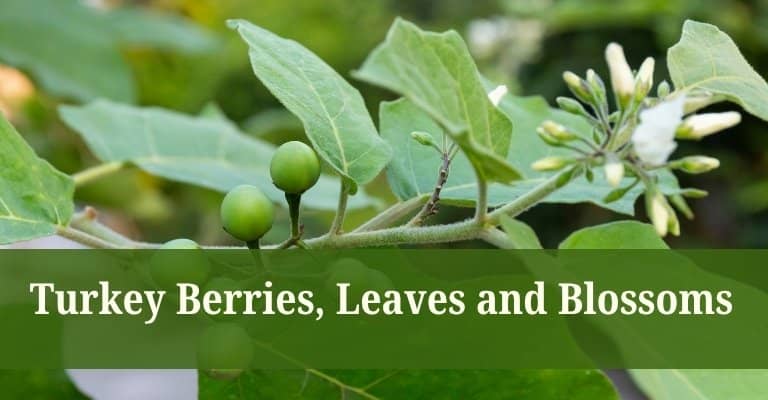
The Susumba plant, scientifically known as Solanum torvum, belongs to the “Nighshade” family. It produces small fruits that are commonly used in as food and medicine. Susumba is also known by numerous other common names including Turkey Berry, Gully Beans, Plate Brush, Devil’s F.ig, Pea Eggplant, Susumber, and Pea Aubergine. But you may be wondering what Susumba is good for
Susumba Leaf Tea for Anemia
What is Susumba good for? Many studies have indentified various medicinal benefits that coincide with traditional benefits in the Susumba plant. This includes its ability to help anemia. So let’s explore how Susumba leaf tea can help restore vitality naturally. We’ll look at:
✅ Traditional uses of Susumba for anemia
✅ Scientific evidence supporting its benefits
✅ How to prepare Susumba tea safely
✅ Precautions and potential side effects
Natural Iron Boost
Susumba leaves are rich in iron, a critical nutrient for hemoglobin production. Low iron levels lead to fatigue, weakness, and pale skin. A 2023 laboratory review1 report in the European Journal of Biology and Biotechnology, highlights why drinking Susumba tea helps replenish iron stores in your body.
Enhanced Iron Absorption
Plant-based iron (non-heme iron) not always easily absorbed—but Susumba tea has a secret weapon. Thanks to the powerful combination of Vitamin C2, iron absorption is easier making Susumba leaf tea an ideal choice for vegans, vegetarians, and anyone on a plant-based diet.
Antioxidant Protection for Blood Cells
According to current research3, plant Polyphenols are more than just natural antioxidants. They are potent antioxidants that protect red blood cells from oxidative damage. By keeping red blood cells healthy, Susumba helps improve oxygen circulation and prevents anemia from worsening.
Supports Hemoglobin Production
Healthy hemoglobin is essential for oxygen transport throughout the body. One 2014 review4 in the Journal of research in medical sciences emphasizes the importance of hemoglobin production in human health. The nutrient-rich profile of Susumba leaves promotes optimal hemoglobin levels, making the tea a powerful natural remedy for anemia.
Fights Fatigue and Boosts Energy
Struggling with low energy due to anemia? The link between Iron deficiency and energy levels is confirmed by a review5 in the Journal of Nutrition, 2001).I ron and vitamin C in Susumba tea work together to reduce fatigue, increase stamina, and restore vitality.
Ad: Are you ready to discover Iron boosting benefits of Susumba Leaf tea? Get Premium quality Susumba (Turkey Berry) Leaves on Amazon!
Disclosure: I may receive a small commission from qualified purchases.
The combined benefits of iron supplementation, enhanced absorption, antioxidant protection, and support for hemoglobin production makes Susumba leaf tea a great natural option for managing anemia.
More Susumba Tea Benefits
Because Susumba leaf tea packed with vitamins, minerals, and antioxidants it is more than just a natural remedy for anemia. Here are some key nutritional benefits of Susumba leaf tea:
- Natural source of fiber which is essential for healthy digestion by promoting regular bowel movements and preventing constipation. Fiber also helps control blood glucose levels and can contribute to weight management.
- Powerful Vitamin C, an antioxidant with proven immune function boosting ability enhances Iron absorbption and repair tissues. Vitamin C also plays a vital role in collagen formation, which benefits skin health and wound healing.
- A decent amount of calcium which critical for maintaining strong teeth and bones. Regular consumption of Susumba leaf tea may help prevent conditions like osteoporosis, offering an especially great benefit for lacose intolerant individuals.
- A rich source of other essential minerals such as magnesium and potassium critical elements of heart health. In addition Magnesium supports muscle and nerve function, while potassium controls blood pressure and the body’s fluid balance.
- In addition to vitamin C, Susumba leaves have other polyphenols, flavonoids, and potent antioxidants that protect the body from cellular damage. These compounds work together to help lower the risk chronic diseases.
These nutritional benefits make Susumba leaf tea a valuable addition to a balanced diet. It may be particularly beneficial for people looking to boost their intake of essential minerals, antioxidants, and fiber.
How to Make Susumba Tea
Follow these simple steps to make susumba leaf tea at home:
- Boil 1 cup of water.
- Add 1-2 teaspoons of dried Susumba leaves.
- Cover and let it steep for 10-15 minutes.
- Strain the leaves, add a little honey and enjoy your tea.
Recommended Consumption: For anemia, users suggest drinking 1-2 cups of Susumba leaf tea daily. However, it since there are no dosage guidelines, it may be best to start with one cup a day and monintor your body’s reaction. Then you can gradually increase your Susumba leaf tea consumption.
Critical Note: You should always talk with your doctor if you have certain medical conditions or take convential medications before adding Susumba leaves to your diet.
Buy Susumba Leaves
If you are looking to buy quality dried leaves, tea bags or susumba powder, you will find them online marketpaces. Be sure to read the labels and look at customer reviews.
Other Susumba Formulations: Susumba for making leaf tea is commercially available in at least three forms: dried loose leaves, Susumba tea bags, and Susumba powder. The table below is a simple guide to help you the form that’s right for you.
| Form | Pros | Cons |
|---|---|---|
| Dried Leaves | Most traditional form can be stored for long periods. | Requires preparation; may lose potency over time. |
| Tea Bags | Convenient, pre-measured doses, easy to use. | May contain lower concentrations of active compounds. |
| Turkey Berry Powder | High potency, fast absorption. | More expensive, shorter shelf life. |
Keep in mind that in the United States, Susumba is marketed under the name Turkey Berry and available on Amazon and other online marketplaces in different formulations.

Ready to Try Susumba Powder
- Customize to suit your taste
- No Steeping of brewing
- Take where you go
- Pure Organic Powder
Disclosure: This article may contain affiliate links. So, if you buy a product after clicking a link, I may receive a small commission. There’s no extra charge to you. See full disclosure.
Jamaican Susumba Uses
In African, Asian, and Caribbean cultures, Susumba leaves are used in various forms. In Jamaica, where Susumba grows wild in backyards, abandoned lands, and gullies throughout the island, the berries are cooked with salted fish or other proteins to balance the bitter taste.
Susumba Leaves Tea: Meanwhile, Susumba leaves are used to make tea as remedy for coughs, chest congestion.
Tradtional Susumba Benefits
Thanks to the presence of Glycoalkaloids which have animicrobial properties Susumba leaves and berries offer some great health benefits.
| Susumba | Folk Medicinal Benefits |
|---|---|
| Natural Remedy for Respiratory Issues | Susumba has been used to treat respiratory problems like asthma, colds, and coughs. Susumba fruits are often boiled to make teas or concoctions to help clear the lungs and ease breathing difficulties. |
| Supports Blood Pressure Management | Susumba berries are incorporated into dishes in Caribbean and African cuisines.They’re used in soups, stews, and curries for their digestion benefits and overall wellness, blending culinary and medicinal traditions. |
| Helps Skin Infections and Wound Healing | Traditionally, the leaves of the Susumba plant are applied topically to treat skin infections, rashes, and wounds. In some cultures, the crushed leaves are used as a poultice to promote faster healing and reduce inflammation on the skin’s surface. |
| Culinary and Medicinal Dual Use | Susumba berries are often incorporated into dishes in Caribbean and African cuisines.They’re used in soups, stews, and curries to promote digestion and overall wellness, blending culinary and medicinal traditions. |
Keep in mind that although modern research support some Susumba plant benefits, studies are based on limited scientific data so more indepth research is needed.
Potential Side Effects
While the Susumba plant offers many potential health benefits, it’s important to be aware of some possible side effects especially when consumed in excess or by certain individuals. Here’s a look at possible Susumba side effects:
- Digestive discomfort: Some people may experience mild digestive issues like gas, bloating, diarrhea and stomach discomfort after consuming Susumba tea. This may be due to the fiber content or natural compounds in the plant.
- Allergic Reactions: Susumba belongs to the nightshade family, which contains certain alkaloids like solanine. In high amounts these alkaloids can be toxic and may cause symptoms such as nausea, dizziness, or vomiting.
- Individuals with Hemochromatosis: While Susumba leaf tea is a good source of iron, individuals with conditions like hemochromatosis which leads to excessive Iron buildup in the body, should avoid consuming it regularly.
- Interaction with Medications: Regular consumption of the tea may interact with certain medications. For example, their potential blood sugar-lowering effects could interfere with diabetes medications, leading to low blood sugar.
- Pregnancy and Breastfeeding: There is limited research on the safety of Susumba leaf tea leaves during pregnancy and breastfeeding. It is advisable to avoid their use during these periods unless under the guidance of a healthcare professional.
You may also like
Since you are interested in the benefits of Susumba leaf tea, may also like to read about
Did You Know?
The Susumba fruit has been called a “miracle berry” by many traditional healers due to its wide range of uses. In various cultures, it’s used as remedy for over 20 ailments, including anemia, digestive issues, and even menstrual pain.
Susumba is a survival plant. Susumba plant thrives in tough conditions, often growing wild and resilient in poor soils, providing both nutritional value and medicinal benefits when other food sources are unavailable.
Jamaican Susumba has a colorful nickname, “gully beans.” It’s commonly used in stews across the island and has long been regarded as a potent remedy for ailments like high blood pressure, stomach issues, and even for boosting energy.
The Susumba plant is related to eggplant and tomatoes in the nightshade family. Despite its small size, its nutrient profile is similar, including antioxidants and vitamins. Susumba is a nutrient-dense addition to diets across Asia, Africa, and the Caribbean.
Final Thoughts
Susumba leaf tea has been consumed in many cultures for generations due to its potential health benefits. While modern research confirms many of these benefits, more clinical data is needed.
So, before you add susumba leaf tea to your diet, consider the following recommendations:
- Consume it in moderation, start with small amounts.
- Ensure the leaves are properly cleaned.
- Consult a healthcare professional, especially if you have existing health conditions or are taking other medications.
References
- Maloth, G. S., R. Marka, and R. S. Nanna. “A Review on In Vitro Regeneration of Ethnomedicinal Plant Turkey Berry (Solanum Torvum Swartz)”. European Journal of Biology and Biotechnology, vol. 4, no. 3, July 2023, pp. 1-11, doi:10.24018/ejbio.2023.4.3.443 ↩︎
- Teucher, Birgit et al. “Enhancers of iron absorption: ascorbic acid and other organic acids.” International journal for vitamin and nutrition research. Internationale Zeitschrift fur Vitamin- und Ernahrungsforschung. Journal international de vitaminologie et de nutrition vol. 74,6 (2004): 403-19. doi:10.1024/0300-9831.74.6.403 ↩︎
- Hano, Christophe, and Duangjai Tungmunnithum. “Plant Polyphenols, More than Just Simple Natural Antioxidants: Oxidative Stress, Aging and Age-Related Diseases.” Medicines (Basel, Switzerland) vol. 7,5 26. 9 May. 2020, doi:10.3390/medicines7050026 ↩︎
- Abbaspour, Nazanin et al. “Review on iron and its importance for human health.” Journal of research in medical sciences : the official journal of Isfahan University of Medical Sciences vol. 19,2 (2014): 164-74 ↩︎
- Haas, J D, and T Brownlie 4th. “Iron deficiency and reduced work capacity: a critical review of the research to determine a causal relationship.” The Journal of nutrition vol. 131,2S-2 (2001): 676S-688S; discussion 688S-690S. doi:10.1093/jn/131.2.676S ↩︎
Disclosure: This website is for informational purposes only. Nothing stated here should be viewed as medical advice. See our full medical disclosure here.
