

Green tea, an accidental descovery, is loaded with catechins, powerful antioxidants and other natural compounds that work to support heart health. Consuming the tea may help your body by lowering “bad”cholesterol, reducing inflammation, and improving circulation promoting overall cardiovascular health.
Green tea has been linked to numerous health benefits, including heart support, however, most findings come from observational studies or small clinical trials. More large-scale, long-term research is needed to fully confirm its therapeutic effects and optimal dosage.
What Is Green Tea?
Green tea, made from the leaves of the Camellia sinensis plant. In is one of the most widely consumed beverages across Asia, especially in China and Japan. Westerners are turning to the tea becuase modern science has deremined it has many potential health benefits. Let’s take a deeper look at the top 10 ways green tea may support your heart.
Green Tea And The Heart
From improving cholesterol levels to enhancing blood flow, this antioxidant-rich brew offers more than just a comforting ritual, it may be a gentle yet powerful friend for your cardiovascular system. Here’s what you should know about what makes this simple leaf so special.
1. Reduces Heart Disease Risk
Green tea antioxidants: The tea’s rich concentration of antioxidants. Tea contatins catechins, particularly epigallocatechin gallate1 (EGCG), which help protect cells from oxidative stress which is a key factor in heart disease.
2. Lowers Inflammation
May Reduce for Inflammation: Chronic inflammation is a risk factor for heart disease. Green tea’s anti-inflammatory properties2 that may counteract this making it one of the best anti-inflammatory teas for the body.
3. Reduces LDL Cholesterol
Green tea and “LDL” cholesterol: Studies suggest tea can reduce levels of “bad” LDL cholesterol3, a major contributor to atherosclerosis. A major benefit of green tea for the arteries is its ability to prevent artery paque buildup.
4. Increases Good Cholesterol
Green tea for cholesterol: Incorporating green tea in your diet may also help raise levels of “good” HDL cholesterol. High-Density Lipoprotein4, aka Good cholesterol helps remove LDL from the bloodstream maintaining the balance for optimal heart health.
5. Improves Circulation
Improves blood vessel funtion: Consuming tea may enhance the function of the endothelium by helping relax blood vessels leading to more efficient blood flow. This action may reduce cardiovascular strain5, especially during stressful times.
6. Helps Support Blood Glucose
May help regulate insulin: Stable blood sugar levels are important for heart health, and compounds in tea may help stabilize blood glucose6 levels. Documents studies support claims that regular tea comsumption may improve insulin resistance.
7. Supports Weight Loss
Green tea for weight loss: As one study7 reports catechin rich teas such as green tea as positive influence on weight loss as well. Research shows tea catechins can help boost metabolism, and increase energy causing the body to burn fat which leads to better heart health.
Advertisement
Not all green teas are created equal for heart health. To maximize LDL-lowering catechins like EGCG, opt for unfermented, high-quality loose-leaf teas or matcha (which retains 100% of the leaf’s nutrients). My top pick: [FGO Organic Gunpowder Green Tea]—lab-tested for potency and free from pesticides that could negate benefits!
How to Make The Perfect Cup
To make the perfect cup of green tea, steep 1 teaspoon of loose leaves or one tea bag in hot (but not boiling) water—around 175°F—for 2-3 minutes. Using boiling water can make tea taste bitter. If you prefer a richer flavor, consider adding a slice of lemon or a dash of honey.
Recommended Consumption
Can i drink green tea every day? For heart health, aim to drink 1 to 3 cups per day. You can enjoy it in the morning as a gentle pick-me-up or in the afternoon for an energy boost. Remember, moderation is key.
Green Tea Uses
A Timeless Brew for Wellness: Green tea benefits have been enjoyed in China, Japan and other parts of Asia cultures for centuries. Traditionally the tea used to relieve headaches, calm the mind, sharpen brain focus, detox the body and promote longevity.
Traditional vs Modern Uses
The table below shows a side by side comparison of the use and benefits of green tea:
| Aspect | Traditional Use | Modern Use |
|---|---|---|
| Origin & Purpose | Consumed for medicinal, spiritual, and social reasons in East Asia | Consumed globally for health, wellness, weight management, and convenience |
| Medicinal Role | Used in Traditional Chinese and Japanese Medicine to balance the body, aid digestion, and promote longevity | Studied for its antioxidant, anti-inflammatory, and heart-protective effects |
| Cultural Significance | Central to ceremonies (e.g., Japanese tea ceremony) and daily rituals | Seen more as a health supplement or functional beverage |
| Form of Consumption | Whole leaves, brewed as loose-leaf tea or powdered (e.g., matcha) | Available as tea bags, bottled drinks, powders, capsules, and extracts |
| Active Compounds Known? | No knowledge of catechins or EGCG, benefits observed empirically | Focus on catechins, especially EGCG, with clinical trials and laboratory analysis |
| Health Focus | General wellness, calming effects, longevity | Specific effects like heart health, weight loss, blood sugar control, and cognitive benefits |
| Geographic Use | Primarily China, Japan, and parts of Korea | Consumed worldwide, especially in North America and Europe |
| Preparation Style | Ritualistic and precise, often requiring skill and time | Convenient and fast — tea bags, bottled versions, or supplements |
| Beliefs About Benefits | Balanced energy (Qi), detoxifying, “clears heat” | Scientifically linked to improved cardiovascular markers and reduced disease risk |
| Frequency of Use | Daily or multiple times per day as a cultural norm | Varies by user – from occasional drink to part of a targeted health regimen |
Green tea owes many of its health benefits—especially those related to the heart, brain, and metabolism—to its active compounds, particularly polyphenols which help protect cells from damage, reduce inflammation, and support the immune system.
Green Tea Side Effects
Green tea is safe for most people, but there are a few side effects to be aware of:
- Caffeine Sensitivity: For those sensitive to caffeine, it can cause jitteriness, anxiety, or a faster heart rate. If this happens, consider limiting your intake to one cup a day or switching to decaffeinated tea.
- Stomach Irritation: The tannins in tea can increase stomach acid, leading to nausea or discomfort, especially when consumed on an empty stomach. To avoid this, try drinking it after meals, or choose milder varieties like matcha.
- Iron Absorption Issues: Catechins may interfere with the absorption of non-heme iron. If you’re iron-deficient or vegetarian, consider drinking tea between meals to avoid this effect, and pair iron-rich foods with vitamin C for better absorption.
- Insomnia: While green tea has less caffeine than coffee, it can still disrupt sleep if consumed too late in the day. If you’re sensitive to caffeine, try enjoying your last cup in the early afternoon.
Because you are interested in Green Tea, you may also like:
- Astragalus Root Tea: Known for blood pressure management
- Turmeric Tea: Proven heart benefits
- Sweet Basil Tea: Confirmed anti-inflammatory benefits
Who Should Avoid Green Tea?
Pregnant or breastfeeding women, people with anemia, or those who are extremely sensitive to caffeine should speak to a healthcare provider before making tea a regular part of their diet.
Important note: Individuals taking medications that affect blood pressure or blood thinners should consult with a doctor before adding the tea to their routine.
Now that you are aware the benefits and side effects of tea, are you ready to incorporate this heart healthy herbal tea into your diet?
Buy Organic Green Tea
Find high-quality green tea: You can find tea in grocery stores, health food shops, and online. For the best quality, opt for organic varieties or matcha, which is a finely ground powder made from the whole tea leaf. Here are a few popular options:
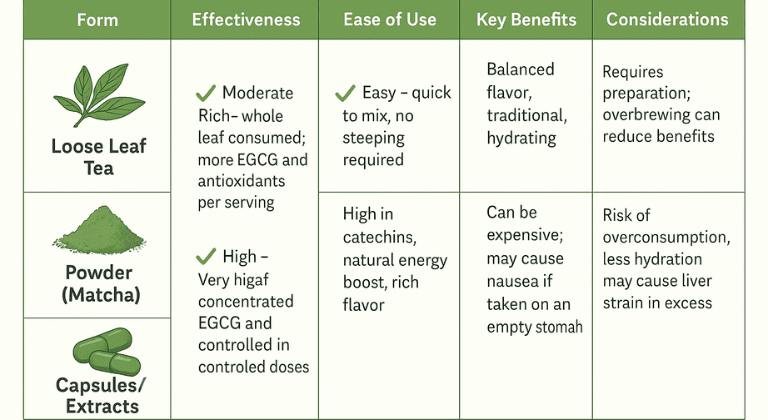
Best Green Tea for Heart Health
Based on current research and overall customer satisfaction, we hand-picked a few brands to help make your choice easier:
- Best for LDL Reduction: [Jade Leaf Ceremonial Matcha] (highest EGCG)
- Best for Blood Pressure: [FGO Organic Green Decaf Tea] (caffeine-free + high flavonoids)
- Best Organic Daily Drink: [Rishi Tea Jade Cloud Green Tea] (sourced from Japan’s heart-healthiest regions)
How to Use Green Tea for Heart
- Choose premium quality tea.This helps lessen the risk of contamination that can increase side effects.
- Limit brewing time to between 1-3 minutes. This can reduce side effects as well giving you a better tasting cup of tea.
- Avoid drinking green tea on an empty stomach as this can cause digestive problems.
- Spread your tea consumption throughout the day to control the amount of caffeine you take in at one time.
- Stay away from green tea at bedtime as its caffeine may interfere with restful sleep.
Did You Know?
- Green tea has been consumed for over 4,000 years since originating in China.
- The Japanese tea ceremony, known as “chanoyu”, uses green tea to promote mindfulness and serenity.
- Green tea contains L-theanine, an amino acid that helps balance the caffeine content, providing a calm, focused energy.
- One cup of green tea contains more antioxidants than an apple!
Conclusion
Green tea offers a natural, scientifically supported way to improve heart health. With its ability to lower cholesterol, reduce blood pressure, and fight oxidative stress, it’s a simple yet effective addition to a heart-healthy lifestyle.
However, keep in mind that individual responses may vary, so it’s important to combine tea consumption with other healthy choices. Always consult with a healthcare professional if you have specific health concerns or conditions.
Is Green tea a part of your routine? Please share your experience in a comment below:
References
- Mokra, Daniela et al. “Therapeutic Effects of Green Tea Polyphenol (‒)-Epigallocatechin-3-Gallate (EGCG) in Relation to Molecular Pathways Controlling Inflammation, Oxidative Stress, and Apoptosis.” International journal of molecular sciences vol. 24,1 340. 25 Dec. 2022, doi:10.3390/ijms24010340 ↩︎
- Yu, Xiaoping et al. “Overview of anti-inflammatory diets and their promising effects on non-communicable diseases.” The British journal of nutrition vol. 132,7 (2024): 898-918. doi:10.1017/S0007114524001405 ↩︎
- Pedro-Botet, Juan et al. “LDL cholesterol as a causal agent of atherosclerosis.” “El colesterol LDL como agente causal de la aterosclerosis.” Clinica e investigacion en arteriosclerosis : publicacion oficial de la Sociedad Espanola de Arteriosclerosis vol. 36 Suppl 1 (2024): S3-S8. doi:10.1016/j.arteri.2024.07.001 ↩︎
- Chiesa, Scott T, and Marietta Charakida. “High-Density Lipoprotein Function and Dysfunction in Health and Disease.” Cardiovascular drugs and therapy vol. 33,2 (2019): 207-219. doi:10.1007/s10557-018-06846-w ↩︎
- Périard, Julien D et al. “Cardiovascular strain impairs prolonged self-paced exercise in the heat.” Experimental physiology vol. 96,2 (2011): 134-44. doi:10.1113/expphysiol.2010.054213 ↩︎
- Kim, Hyun Min, and Jaetaek Kim. “The effects of green tea on obesity and type 2 diabetes.” Diabetes & metabolism journal vol. 37,3 (2013): 173-5. doi:10.4093/dmj.2013.37.3.173 ↩︎
- Hursel, R et al. “The effects of catechin rich teas and caffeine on energy expenditure and fat oxidation: a meta-analysis.” Obesity reviews : an official journal of the International Association for the Study of Obesity vol. 12,7 (2011): e573-81. doi:10.1111/j.1467-789X.2011.00862.x ↩︎
Disclaimer: This website is for informational purposes only. Nothing stated here should be viewed as medical advice. Please talk with your Doctor about your medical care. Vew our full Medical Disclaimer here.
