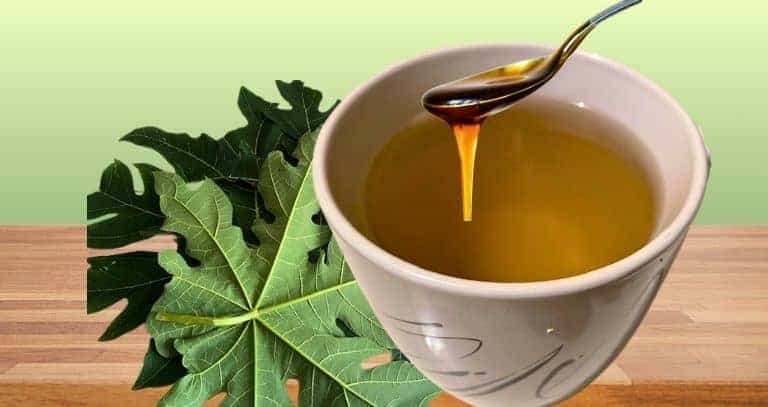
Papaya leaf tea might be your new secret ally if you are looking for a natural way to boost your health. Beyond papaya fruit’s sweetness lies a hidden gem; papaya leaves. They are not just edible, they make a great tasting tea that has a wide range of benefits.
Papaya was spread worldwide by Spanish and Portuguese explorers in the 16th century. Today all sections of the plant are used as food and medicine. The plant leaves continue to be used as traditional medicine.
What Is Papaya?
Papaya tea is made from the leaves of the Carica Papaya plant which has origins in Central America and southern Mexico. Although it is commonly called a tree, papaya is technically a large herb with a hollow stem. It can grow up to 30 feet tall but has no woody tissue.
Recent studies suggest papaya leaves health benefits may exceed benefits of the fruit. Let’s look closer these benefits.
Although modern research has validated some potential benefits of papaya leaves, the results were based on a limited to a amount of human trials. More extensive researchis needed to fully understand the benefits of papaya leaf tea.
Papaya Leaf Tea Benefits
Natural compounds in papaya leaves tea working together contribute to the amazing health benefits of papaya leaves tea.
Transforms Your Digestive Health
Papaya tea for digestion: Papaya leaves contain papain1 and chymopapain which are enzymes that work like natural digestive aids. By breaking down proteins they help your body extract maximum nutrition from food while minimizing digestive discomfort. Many users with chronic indigestion report a lighter feeling after meals.
Supercharges Your Immune System
Wards off cold and flu: Consuming papaya leaf tea could be your best defense against colds and flu. Packed with vitamin C and powerful antioxidants, this herbal tea creates a natural shield against invaders. Papaya leaves antioxidants2 help neutralize harmful free radicals while strengthening your body’s defense mechanisms.
Boosts Platelet Production
Papaya leaf tea for dengue: Papaya leaf tea supports platelet production, making it a traditional remedy for dengue fever in tropical regions. Current Research3 suggests its compounds help restore platelet counts, potentially speeding recovery from blood cell-related conditions.
Stabilizes Blood Sugar Levels
Papaya tea diabetes benefits: According to one source4, Papaya leaf extract may mimic insulin, helping muscles and fat tissues absorb sugar efficiently. It may also support healthy blood sugar levels by strengthening insulin-producing pancreatic cells.
Supports Liver Function
Papaya tea detox benefits: Papaya leaf tea’s detoxification properties5 deserve attention! The tea helps support your liver, the body’s main filtration system, by promoting the production of detoxifying enzymes and helping remove harmful toxins from the body. This helps maintain proper liver function.
Combats Inflammation
Papaya tea and Inflammation: Chronic inflammation lies at the root of many modern ailments. Papaya leaves anti-inflammatory compounds6, including papain and alkaloids, may help redue inflammation in the body. Many people report reduced joint pain and improved mobility after making this tea part of their routine.
Reveals Radiant Skin
Papaya tea for skin: Papaya leaf tea’s antioxidant properties help fight enviroment aggressors from the inside out. Regular consumption may reduce acne flare-ups, fade dark spots, and promote a natural glow. One study7 done in Jamaica, found that papaya is commonly used as a topical ulcer dressing.
How to Make Papaya Leaf Tea
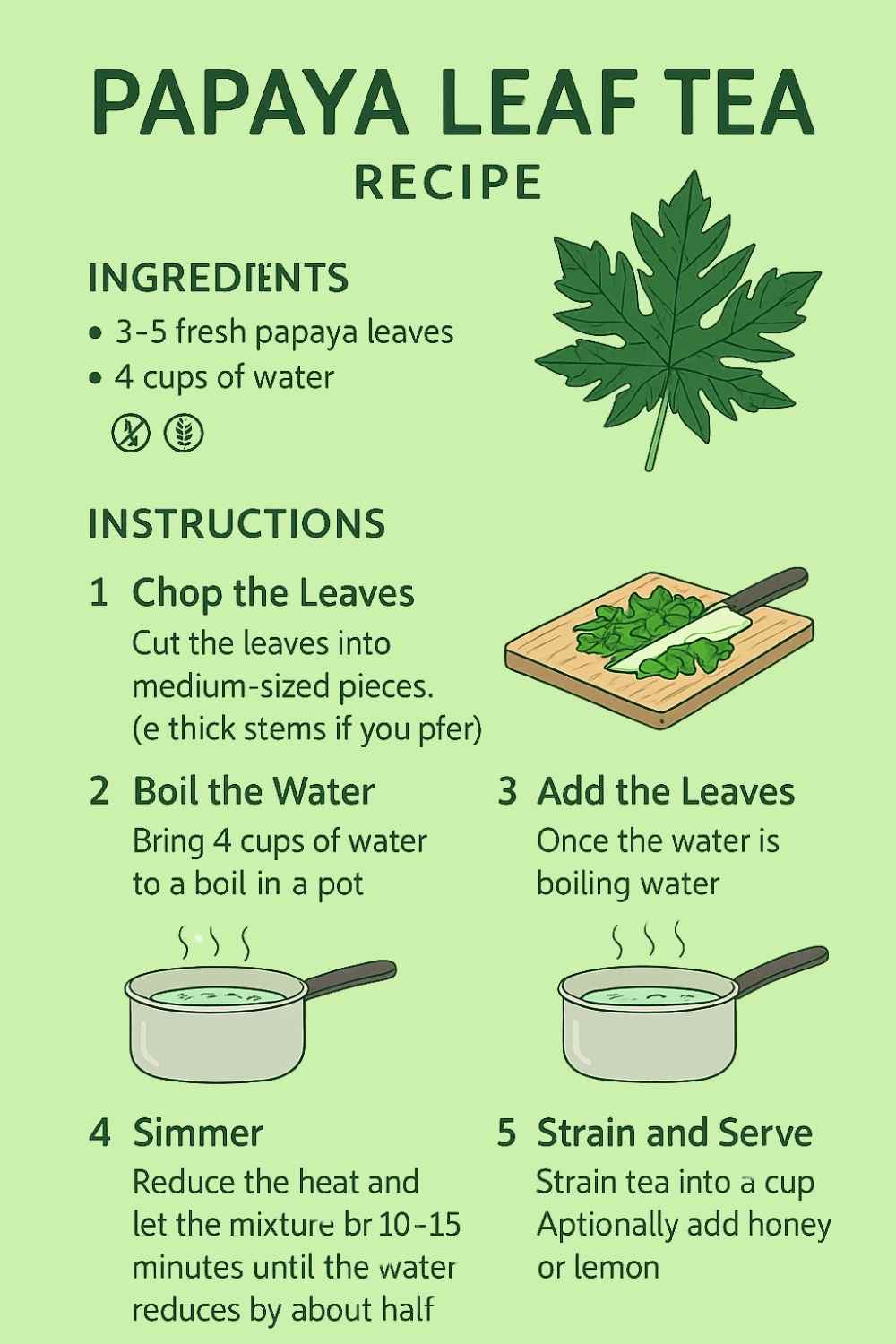
Here’s a simple recipe to make papaya leaf tea at home:
Ingredients
- 3–5 fresh papaya leaves (washed thoroughly)
- 4 cups of water
- Optional: honey or lemon for taste
Instructions
- Chop the Leaves: Cut the leaves into medium-sized pieces (remove thick stems if you prefer).
- Boil the Water: Bring 4 cups of water to a boil in a pot.
- Add the Leaves: Once boiling, add the chopped papaya leaves.
- Simmer: Reduce the heat and let it simmer for 10–15 minutes until the water reduces by about half.
- Strain and Serve: Strain the tea into a cup. Add honey or lemon if you like, and enjoy it warm!
Drink 1–2 cups per day if using for health benefits (but check with a doctor if you have any medical conditions or are pregnant).
Papaya Tea Traditional Uses
Papaya leaf tea has a rich history as a traditional remedy in several tropical and subtropical regions where the plant grows naturally or has been cultivated for centuries.
Papaya Leaves Uses Across Cultures
Here’s how different cultures have incorporated this powerful herbal medicine:
| Locations | Cultural Uses |
|---|---|
| Filipino Folk Medicine | In the Philippines, papaya leaf tea (locally known as “dahon ng papaya”) has been used for generations to treat dengue fever and malaria. When dengue outbreaks occur, many Filipinos turn to this traditional remedy to help increase platelet counts. |
| Indonesian Practices | Traditional Indonesian medicine (Jamu) incorporates papaya leaf tea for treating digestive disorders, reducing fever, and as a general tonic for vitality. |
| Vietnamese Healing | In Vietnam, papaya leaf tea has been used to treat digestive issues and as a remedy for liver problems. It’s also used topically for wound healing. |
| Indian Ayurvedic Medicine | Within Ayurveda, papaya leaf tea (known as “pappali patra”) is used to balance the “pitta” dosha, improve digestion, and treat liver disorders. It’s also used as a remedy for intestinal worms. |
| Sri Lankan Remedies | Sri Lankan traditional medicine employs papaya leaf tea for dengue fever treatment, with many hospitals now incorporating it alongside conventional treatments after research supported its efficacy. |
| Caribbean Folk Medicine | Throughout the Caribbean islands, papaya (pawpaw) leaf tea has been used to treat malaria and digestive disorders for centuries. It’s also traditionally used for parasitic infections. |
| Mexican Traditional Medicine | In Mexico, where papayas originated, indigenous healers have long used papaya leaf infusions to treat digestive problems, reduce inflammation, and cleanse the liver. |
| Nigerian Herbal Medicine | In Nigeria and other parts of West Africa, papaya leaf tea is traditionally used for treating malaria and as a remedy for enlarged liver and spleen. |
| East African Remedies | Communities in Tanzania, Kenya, and Uganda use papaya leaf preparations to treat digestive issues and as a general health tonic. |
Note: Since these are cultural practices, you may want to fact check their accuracy.
Key Papaya Nutrients In A Cup
Papaya leaf tea contains an impressive variety of beneficial primary bioactive compounds and nutrients that contribute to its therapeutic effects. Here’s what you may get from a cup of Papaya tea:
Papain: A powerful digestive enzyme that helps break down proteins and may contribute to the tea’s anti-inflammatory properties.
Chymopapain: Another enzyme that works alongside papain to aid digestion and reduce inflammation.
Carpaine: An alkaloid compound unique to papaya that has demonstrated antimalarial and antiplasmodial activities.
Flavonoids: Including quercetin and kaempferol, which provide antioxidant benefits and may help reduce inflammation.
Phenolic Compounds: Act as antioxidants and may have anti-inflammatory effects.
Carotenoids: Plant pigments responsible for the color in foods. They also have antioxidant properties.
Saponins: May help reduce cholesterol and have antimicrobial and antifungal properties.
Key vitamins and minerals in your cup of tea made from Papaya leaves are depicted below:

Possible Side Effects of Papaya
- Digestive Discomfort: Some people may experience stomach upset, nausea, or diarrhea, especially when consuming it in large amounts or when first introducing it to their diet.
- Allergic Reactions: Individuals allergic to papaya fruit may also react to papaya leaf tea. Symptoms could include itching, rash, or in rare cases, more severe allergic responses.
- Low Blood Sugar: In some individuals, particularly those already taking diabetes medications, papaya leaf tea might potentially lower blood sugar levels too much.
- Potential Drug Interactions: Papaya leaves may interact with certain medications, particularly blood thinners, due to their effect on platelet counts.
- Bitter Taste: Though not a side effect per se, the pronounced bitterness of papaya leaf tea can be unpleasant for some people, potentially causing nausea or gagging.
You may also like
Since you are interested in Papaya leaf tea, you may like to learn about these teas:
Surprising Papaya Uses
This versatile plant continues to surprise researchers with new potential benefits and applications, making it much more than just a tropical option! Here are a few unique use cases:
- Soap Substitute: Green papaya latex can be used as a soap substitute and was traditionally used for washing clothes in some parts of Asia.
- Natural Meat Tenderizer: Before modern meat tenderizers, wrapping tough meat in papaya leaves was a traditional cooking technique in many tropical cultures.
- Cosmetic Ingredient: Papaya enzymes are used in many commercial exfoliating products because they gently dissolve dead skin cells.
- Potential Cancer Fighter: Scientists are studying compounds in papaya leaves and seeds for their potential anti-cancer properties, with some preliminary research showing promising results.
- Seed Edibility: Though often discarded, papaya seeds are edible and have a peppery flavor similar to mustard or wasabi. They’re sometimes dried and used as a spice or pepper substitute.
Who Should Avoid Papaya Tea
Individuals who fall within any of the following groups may want to avoid excessive consumption of papaya tea:
Pregnant and Breastfeeding Women: Due to limited research on its safety during pregnancy and lactation, it’s generally recommended that pregnant and breastfeeding women avoid papaya leaf tea.
People with Papain Allergies: Those with known allergies to papain or papaya should avoid this tea.
Individuals Taking Blood Thinners: Because of its potential effect on platelets, people on anticoagulant medications should consult their healthcare provider before consuming papaya leaf tea.
People with Low Blood Pressure: The tea may potentially lower blood pressure, which could be problematic for those who already have hypotension.
Individuals Scheduled for Surgery: Due to its potential blood-thinning effects, papaya leaf tea should be discontinued at least two weeks before any scheduled surgery.
People with Diabetes on Medication: Those taking medications to control blood sugar should monitor their levels carefully if they choose to drink papaya leaf tea, as it may enhance the effect of these medications.
Children: Due to limited research on its effects in children, it’s generally recommended to avoid giving papaya leaf tea to young children unless directed by a healthcare provider.
As with any herbal remedy, it’s always best to consult with a healthcare professional before adding papaya leaf tea to your routine, especially if you have existing health conditions or are taking medication.
Fascinating Facts About Papaya
Here are a few interesting facts you may enjoy about papaya:
Did you know?
- Name: The name “papaya” comes from the Carib word “ababai.” Christopher Columbus reportedly called it the fruit of the angels.
- Rapid Growth: Papaya is one of the fastest-growing fruit plants, capable of producing fruit within 10-12 months of planting and can live for up to 25 years under ideal conditions.
- Gender-Fluid Plants: Papaya plants can be male, female, or hermaphrodite. Only female and hermaphrodite plants produce fruit, with hermaphrodites producing the commercially preferred pear-shaped fruit.
- Exceptional Vitamin Content: One medium papaya contains more than 200% of your daily vitamin C needs—more than oranges!
- Traditional Labor Inducer: In some cultures, papaya has traditionally been used to induce labor, and research has found compounds in unripe papayas that can indeed cause uterine contractions.
Where to Buy Papaya Leaves
You can buy fresh or dried papaya leaf for making tea online from reputable online marketplaces such as Amazon and have them delivered to your door. You can also find papaya at some local grocery stores and speciality health food stores.
Final Thoughts
Papaya leaf tea offers numerous health benefits, including aiding digestion through the enzyme papain, which helps break down proteins and alleviate digestive issues like bloating and IBS.
It also has anti-inflammatory properties, boosts the immune system, and may increase blood platelets in dengue patients.
However, individuals allergic to latex, on certain medications, or pregnant and lactating women should avoid it due to potential adverse effects. More research is needed to confirm its benefits, especially for conditions like cancer.
References
- Stremnitzer, Caroline et al. “Papain Degrades Tight Junction Proteins of Human Keratinocytes In Vitro and Sensitizes C57BL/6 Mice via the Skin Independent of its Enzymatic Activity or TLR4 Activation.” The Journal of investigative dermatology vol. 135,7 (2015): 1790-1800. doi:10.1038/jid.2015.58 ↩︎
- Sharma, Anshu et al. “Carica papaya L. Leaves: Deciphering Its Antioxidant Bioactives, Biological Activities, Innovative Products, and Safety Aspects.” Oxidative medicine and cellular longevity vol. 2022 2451733. 9 Jun. 2022, doi:10.1155/2022/2451733 ↩︎
- Faridah, Imaniar Noor et al. “Dynamic Changes of Platelet and Factors Related Dengue Haemorrhagic Fever: A Retrospective Study in Indonesian.” Diagnostics (Basel, Switzerland) vol. 12,4 950. 11 Apr. 2022, doi:10.3390/diagnostics12040950 ↩︎
- Miranda-Osorio, P. H. et.al. (2016). Protective Action of Carica papaya on β-Cells in Streptozotocin-Induced Diabetic Rats. International Journal of Environmental Research and Public Health, 13(5), 446. ↩︎
- Sally A Abdel-Halim et al. Phytochemical and biological investigation of Carica papaya Linn. Leaves cultivated in Egypt (Family Caricaceae). J Pharmacogn Phytochem 2020;9(5):47-54. ↩︎
- Singh, Surya P et al. “Therapeutic application of Carica papaya leaf extract in the management of human diseases.” Daru : journal of Faculty of Pharmacy, Tehran University of Medical Sciences vol. 28,2 (2020): 735-744. doi:10.1007/s40199-020-00348-7 ↩︎
- Hewitt, H et al. “Topical use of papaya in chronic skin ulcer therapy in Jamaica.” The West Indian medical journal vol. 49,1 (2000): 32-3. ↩︎
Disclaimer: This website is for informational purposes only. Nothing stated here should be viewed as medical advice. See our full medical disclaimer here.
