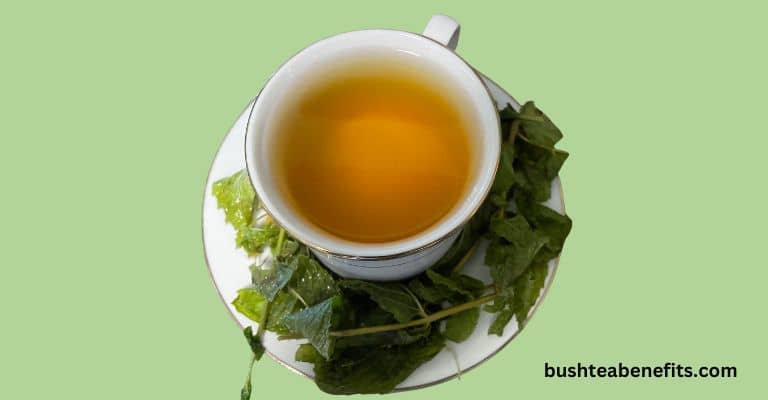
You know that feeling of not being able to breathe through your nose; where every your head feels like it’s packed with cotton. We’ve all been there. While reaching for over-the-counter medications might be your first instinct, a centuries-old remedy may be sitting in your kitchen cupboard-peppermint tea!
Word of caution: While emerging research shows promising results for peppermint tea’s effectiveness against congestion, scientists caution that larger clinical trials are still needed to fully understand optimal dosing and long-term effects.
Peppermint tea is more than just a soothing warm drink—it contains compounds that help relieve congestion. Menthol, its key active ingredient, creates a cooling sensation that can make breathing feel easier, while its lesser-known anti-inflammatory properties support respiratory health. This refreshing brew is among the best teas for easing congestion and promoting comfort.
Let’s explore seven peppermint tea congestion benefits to see why this aromatic brew deserves a permanent spot in your wellness routine. We’ll also look at who should approach this with caution despite its impressive benefits.
Ad: Customer Favorite: Best Peppermint tea for Stuffy Nose
Stuffy nose? Clogged sinuses? Let Davidson’s Tea Organic Peppermint Leaves tea come to the rescue! Packed with natural menthol, our organic blend clears congestion and soothes your throat. Warm, comforting, and caffeine-free—perfect for cozy relief.
Disclosure: This article may contain affiliate links. So, if you buy a product after clicking a link, I may receive a small commission. There’s no extra charge to you. See full disclosure
What is Peppermint Tea?
Peppermint tea, brewed from the leaves of Mentha × piperita plant. Peppermint tea congestion benefits are the result of the plants its high menthol content. Menthol acts as a natural decongestant, helping to soothe the respiratory tract and clear nasal passages.
Peppermint Tea Congestion Benefits
Respiratory issues continue to be a top concern for many so researchers have been turning their attention to traditional remedies like peppermint. Fascinating results emerging from labs around the world. What they’re discovering gives us scientifically-backed reasons to believe peppermint tea congestion benefits are real.
1. Decongestant Properties
Peppermint tea for nasal congestion: Menthol1 the primary active compound responsible for peppermint tea congestion benefits. Menthol stimulates cold receptors in the nose and sinuses, creating a cooling sensation that tricks the brain into feeling increased airflow.
2. Expectorant Function
Does Peppermint break up mucus? Yes! Peppermint tea’s active compounds, menthone2 and pulegone, help stimulate the respiratory tract to increase the production of thinner mucus. This action makes it easier to expel mucus.
3. Respiratory Comfort
Steam inhalation benefits: When you drink hot peppermint tea, the steam carries terpenes3 directly to inflamed respiratory tissues. This hydrating vapor prevents mucous membranes from becoming dry, resulting in reduced swelling in irritated nasal passages and sinus cavities.
4. Antimicrobial Activity
Peppermint essential oils: Peppermint tea contains essential oils with antimicrobial components including menthol, menthone, and limonene. They demonstrate inhibitory effects against respiratory pathogens4. Studies suggest they can inhibit the growth of certain bacteria and viruses which are often at the root of persistent congestion.
5. Anti-Inflammatory Action
Peppermint anti-inflammatory tea: Peppermint contains rosmarinic acid, eriocitrin5, and luteolin which have potent anti-inflammatory effects. These flavonoids and phenolic compounds anti-inflammatory properties may reduce inflammation in the respiratory tract, making peppermint tea good for sinusitis or bronchitis.
6. Immune System Support
Peppermint immunity tea: Peppermint is rich in vitamins A and C, along with potassium, calcium, and folate. These nutrients, combined with antioxidants like hesperidin6 and eriocitrin, help strengthen the immune system. Better immune function means faster recovery from infections like the cold and flu.
7. Enhanced Airway Function
Peppermint’s bronchodilatory function: Peppermint tea compounds, including eucalyptol7, helps relax the smooth muscles of the bronchial passages. This creates a temporary expansion of airways, which is especially helpful for those with congestion accompanied by chest tightness or mild bronchospasm.
Always consult with a healthcare provider before using peppermint tea as a primary treatment, especially if you have underlying health conditions or are taking medications that might interact with its active compounds.
More Peppermint Tea Benefits
- Aches and pain: Menthol acts as a mild analgesic. By stimulating the skin’s cold receptors and reducing the perception of pain, peppermint tea can provide relief from sore throats and muscular pain.
- Calming effects: Menthol in the tea has a calming effect on the nervous system. Its soothing properties can help reduce stress and anxiety especially when we are not feeling well.
- Digestive comfort: While primarily known for its respiratory benefits, menthol in herbal teas also has positive effects on the digestive system. It can help alleviate symptoms such as bloating, gas, and indigestion.
- Focus and clarity: Menthol’s sentation of coolness has been associated with increased focus and improved cognitive function. This is especially beneficial when experiencing brain fog due to congestion.
Traditional Uses of Peppermint Tea
For generations, peppermint tea has been one of the most popular herbal teas used to relieve a wide range of common health issues. Let’s take a look at a few cross cultural traditional uses of peppermint tea.
| Culture | Benefits |
|---|---|
| Egyptians | Peppermint leaves were found in Egyptian pyramids dating back to 1000 BCE. It was used for indigestion, calming the stomach, and as part of sacred rituals. |
| Greeks and Romans | Used peppermint in teas and poultices to ease headaches, digestive troubles, and respiratory discomfort. It was also thought to stimulate the mind and body. |
| European | Digestive Aid: Peppermint tea was commonly used to relieve stomach pain, gas, bloating, and nausea. Cold and Flu Remedy: Traditional herbalists used hot peppermint tea to reduce fever, clear sinuses, and soothe sore throats. Menstrual Relief: Women drank peppermint tea to help ease menstrual cramps due to its muscle-relaxing properties. |
| Traditional Chinese Medicine | Cooling Herb: Peppermint (Bo He) is considered a “cooling” herb in TCM, used to clear heat and release wind (e.g., symptoms like fever, sore throat, and headaches). Liver Qi Stagnation: Used to relieve symptoms related to liver qi stagnation — such as irritability, chest tightness, and poor digestion. Antispasmodic and Anti-inflammatory: Often prescribed in tea or decoction form for its properties. |
| Ayurvedic Medicine (India) | Balance the Doshas: Peppermint is used especially Pitta (associated with heat and inflammation). Clears the Mind: particularly during hot weather or emotional stress the tea is used for emotional balance. Digestive Aid: Combined with other herbs in herbal teas or pastes to treat nausea, vomiting, and upset stomach. |
The popularity of peppermint tea is testament to its effectiveness as a natural remedy even in our day.
Peppermint Benefits: What Modern Studies Show
Here is what recent scientific studies and authoritative sources have to say about the benefits of peppermint for congestion relief.
Peppermint Tea and Respiratory Relief – A study published in Phytotherapy Research highlights peppermint’s menthol content, which acts as a natural decongestant, improving airflow and reducing nasal congestion.
Clinical Trial on Peppermint Spray for Upper Respiratory Infections – A randomized controlled trial demonstrated that a spray containing peppermint oil (along with other essential oils) provided immediate relief from symptoms like sore throat and nasal congestion in patients with upper respiratory infections.
Inhalation of Peppermint Vapors for Sinus Relief – Studies suggest that inhaling peppermint steam (such as from peppermint tea) can help clear nasal passages and reduce sinus pressure.
Peppermint’s Role in Reducing Inflammation – A review in the Journal of Ethnopharmacology notes that peppermint’s anti-inflammatory properties can alleviate swelling in the respiratory tract, easing congestion.
Peppermint Tea Recipe
Here’s how to make peppermint tea, steep 1-2 teaspoons of dried peppermint leaves (or one tea bag) in a cup of boiling water for 5-7 minutes. Strain if using loose leaves and enjoy.
Recommended Consumption: There are no set rules however, some Researchers say it is best to drink 1-2 cups of peppermint tea for congestion up to 3 times a day.
Buy Premium Quality Peppermint
Peppermint is easily available in local grocery stores and online marketplaces. However, it is important to examine products for quality to get the most benefits of peppermint tea.
Ad: Best Peppermint Extract for Instant Congestion Relief
Need faster relief? Our potent peppermint extract is your new best friend. Add a drop to tea, inhale the steam, or diffuse it—menthol magic opens airways in minutes. No chemicals, just pure, plant-based power! Being Naturals Peppermint Essential Oil
Peppermint Tea Side Effects
While peppermint is generally safe for most people, some may experience:
- Heartburn or Acid Reflux: Peppermint may relax the lower esophageal sphincter, potentially worsening symptoms of gastroesophageal reflux disease (GERD) or causing heartburn in susceptible individuals.
- Allergic Reactions: Rarely, some people may experience allergic responses, such as skin rashes, itching, or respiratory issues, particularly if sensitive to menthol or other compounds in peppermint.
- Drug Interactions: Peppermint can interfere with medications metabolized by liver enzymes (e.g., cytochrome P450), affecting drugs like cyclosporine, statins, or certain blood pressure medications. It may also reduce the effectiveness of acid-reducing drugs.
- Gastrointestinal Discomfort: Overconsumption might lead to nausea, stomach cramps, or diarrhea, especially in individuals with sensitive digestion.
- Headaches or Dizziness: The menthol in peppermint can trigger headaches, migraines, or dizziness in some people, particularly when consumed in large amounts.
Who Should Avoid or Limit Peppermint Tea
Individuals with gallbladder disorders: Peppermint can promote gallbladder contraction and increase bile flow, potentially aggravating gallstone symptoms or causing pain in those with gallbladder disease.
People with hiatal hernias: Similar to GERD concerns, the muscle-relaxing properties of peppermint can worsen symptoms for those with hiatal hernias by allowing more stomach acid to enter the esophagus.
Individuals with liver disease: The menthol in peppermint is processed by the liver, so those with compromised liver function should consult healthcare providers before regular consumption.
Pregnant and breastfeeding women: While usually safe in food amounts, medicinal quantities of peppermint (like concentrated teas for congestion) should be approached with caution during pregnancy and breastfeeding.
Young children: Menthol can cause breathing problems in infants and very young children. Parents should consult pediatricians before giving peppermint tea to children under twelve years old.
Conclusion
If you’re looking for a soothing, caffeine-free tea that does more than just taste great, peppermint tea might just be what you need. This refreshing herbal infusion is used to support digestive health, clear the mind, and ease discomfort.
Peppermint tea should not be used in place of conventional medicine. Certain groups of people should exercise caution with peppermint tea consumption.
Always consult with a healthcare provider before using peppermint tea before adding the tea to your routine. This important especially if you have underlying health conditions or are taking medications that might interact with its active compounds.
Have you experienced peppermint tea congestion benefits? Please share your experience. Leave a comment below.
References
- Farco, Joseph A, and Oliver Grundmann. “Menthol–pharmacology of an important naturally medicinal “cool”.” Mini reviews in medicinal chemistry vol. 13,1 (2013): 124-31. ↩︎
- Zhao, Hui et al. “Peppermint essential oil: its phytochemistry, biological activity, pharmacological effect and application.” Biomedicine & pharmacotherapy = Biomedecine & pharmacotherapie vol. 154 (2022): 113559. doi:10.1016/j.biopha.2022.113559 ↩︎
- Cox-Georgian, Destinney et al. “Therapeutic and Medicinal Uses of Terpenes.” Medicinal Plants: From Farm to Pharmacy 333–359. 12 Nov. 2019, doi:10.1007/978-3-030-31269-5_15 ↩︎
- Nelson, Philipp P. et al. “Respiratory Viral Pathogens.” Encyclopedia of Respiratory Medicine (2022): 129–137. doi:10.1016/B978-0-12-801238-3.11635-6 ↩︎
- Ferreira, P S et al. “Low doses of eriocitrin attenuate metabolic impairment of glucose and lipids in ongoing obesogenic diet in mice.” Journal of nutritional science vol. 9 e59. 14 Dec. 2020, doi:10.1017/jns.2020.52 ↩︎
- Pyrzynska, Krystyna. “Hesperidin: A Review on Extraction Methods, Stability and Biological Activities.” Nutrients vol. 14,12 2387. 9 Jun. 2022, doi:10.3390/nu14122387 ↩︎
- Seol, Geun Hee, and Ka Young Kim. “Eucalyptol and Its Role in Chronic Diseases.” Advances in experimental medicine and biology vol. 929 (2016): 389-398. doi:10.1007/978-3-319-41342-6_18 ↩︎
Disclaimer: This website is for informational purposes only. Nothing stated here should be viewed as medical advice. See our full medical disclaimer here.
