
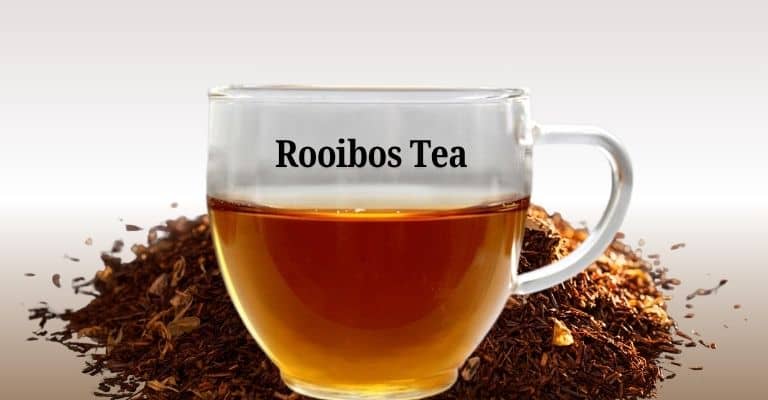
The source of the distinctive South African Rooibos tea benefits is the he unique Aspalathus linearis shrub. When steeped, the unique plant’s russet-colored needle-like leaves, yield a soothing beverage (Rooibos tea) that has captured global attention.
What is Rooibos Tea?
African Rooibos tea has earned its reputation as a natural calming tonic, traditionally embraced for quieting anxious minds, easing digestive troubles, and ushering in peaceful sleep.
Main Points
Rooibos Tea Benefits: Rooibos tea has been cherished by South Africans for centuries. The benefits of Rooibos tea come from exclusively from a unique plant found in the mountainous Western Cape of South Africa. Its benefits include:
- Powerful Cell Protection: Rooibos tea is uniquely rich in antioxidants like Aspalathin and Quercetin that directly target harmful molecules and protect good cells.
- Hormone Balance: It helps stabilize mood by lowering the “stress hormone” cortisol, which often spikes during periods of anxiety.
- Nervous System Calmer: Compounds in Rooibos interact with GABA receptors in the brain, enhancing the nervous system’s natural ability to reduce anxiety and promote relaxation.
- Promotes Better Sleep: Naturally caffeine-free and supportive of melatonin release, making it an ideal evening drink to combat restlessness and insomnia.
- Anti-Inflammatory Action: Its antioxidants help reduce chronic inflammation in the body, a key factor in stress, aches and pain and poor mood.
- Safety Precaution: While generally safe, individuals with pre-existing liver or hormone-sensitive conditions or those taking prescription medications should consult a doctor before consuming it regularly.
Ad: Check the hand-picked selection that made our “Publishers Picks“
5 Benefits of Rooibos Tea
What is Rooibos tea good for? The tea offers multiple benefits including: protecting healthy cells, reducing inflammation, balancing cortisol, promoting relaxation, and improving sleep. Let’s look closer:
Protects Healthy Cells
Rooibos is a herbal tea with antioxidants, with the unique antioxidant, Aspalathin being the plant’s most dominant. Oxidative stress1 occurs when there’s an imbalance between free radicals and antioxidants in the body, leading to cell damage. Aspalathin helps protect healthy cells by neutralizing these free radicals.
Has Anti-inflammatory Properties
Quercetin, another potent antioxidant in rooibos tea, plays a crucial role in managing inflammation in the brain and nervous system. Chronic inflammation is a known contributor to the development of stress and anxiety. Quercetin inhibits the release of pro-inflammatory cytokines1, reducing inflammation in the body.
Relieves Stress an Anxiety
Aspalathin has been shown to lower the “stress hormone” cortisol3, which spikes during periods of intense stress or anxiety. High cortisol levels can lead to increased anxiety, disrupted sleep, and even long-term health problems such as high blood pressure. Rooibos tea helps bring cortisol levels back into balance.
Calms the Nervous System
Rooibos Tea flavonoids4 have a direct effect on the central nervous system by interacting with GABA receptors in the brain. These receptors are responsible for regulating anxiety and calming the nervous system. The flavonoids in rooibos tea enhance GABA’s ability to reduce anxiety by inhibiting overactive nerve cells.
Promotes Restful Sleep
Poor sleep and anxiety are closely linked, and Rooibos tea can help improve both. Rooibos tea sleep benefit is tied to it’s ability to aid in the release of melatonin, the hormone responsible for sleep regulation.4 Additionally, the tea’s natural ability to promote relaxation and reduce cortisol levels makes it a perfect bed-time beverage.
Research Status: Although Rooibos tea has a long history of safe use, human study data is limited. More rigerous research is needed to fully understand its long-term effects. Always consider consulting a healthcare provider before using it to manage health conditions.
Rooibos Tea Side Effects
While Rooibos tea is widely considered safe and beneficial for most people, it is always wise to be aware of potential considerations. Generally, Rooibos tea side effects are rare and mild and may include:
- Mild headaches: These are often related to caffeine when switching from caffeinated beverages to Rooibos rather than Rooibos itself. These headaches typically resolve within a few days.
- Temporary sleep problems: While Rooibos tea is caffeine-free, if consumed in large quantities, it contains bioactive compounds that might affect sleep in sensitive individuals.
- Liver Enzyme Changes: This has been observed in studies using very high concentrations of Rooibos tea. It appears to be temporary and usually returns to normal when consumption is reduced. However, it’s important to exercise caution.
- Interference with iron absorption: Rooibos contains polyphenols which can bind to iron and cause reduced iron absorption if consumed with iron-rich meals. This is important for individuals with iron deficiency.

How to Make Rooibos Tea
Follow these steps to make Rooibos tea at home:
- Add one teaspoon of loose leaf tea (or one tea bag) to a cup of boiling water.
- Steep for 10 to 15 minutes, strain (if using loose leaf), and enjoy. You can add honey or lemon for extra flavor if desired.
According to some sources the most benefits come from steeping Rooibos tea for 10 minutes or longer.
Dosing Precautions
Folk Medicine Practicioners Recommend consuming 1-3 cups of Rooibos tea daily. Drinking it in the evening may offer more effective relaxation and better sleep benefits. However, since there are no dosing guideline for herbal remedies, it’s best to start with one cup of tea daily and guage your body’s response.
Buy Rooibos Tea
You can buy Rooibos ea in local grocery stores, health food stores, and online marketplaces. For the best results, consider purchasing responsibly sourced organic Rooibos tea to ensure quality. Rooibos for making tea is available in different formulations. Here are three options to consider:
| Form | Pros | Cons |
|---|---|---|
| Loose Leaf Rooibos | Fresh, customizable strength. | Requires a strainer or tea infuser. |
| Rooibos Tea Bags | Convenient, easy to use. | May contain lower quality tea. |
| Rooibos Tea Capsules | Easy to take on-the-go. | Lack the brewing experience and taste of brewed tea. |
Disclosure: As an Amazon Associate, I may receive a small commission fron qualifying purchases.
While evidence supports Rooibos Tea potential health benefits, studies are based on a small number of human participants. In addition, different varieties of Rooibos studied produced different results. Therefore, more streamlined studies are needed.
Who Should Avoid Rooibos
Individuals with specific allergies to the tea or those on certain medications, should avoid Rooibos Tea. Pregnant or breastfeeding women, individuals with liver conditions, and should consult with their healthcare provider before using Rooibos Tea.
You make also like
Since you’re interested in Rooibos tea benefits, you may want to check out:
What Is Rooibos?
The Rooibos Plant (Aspalathus linearis) is a broom-like shrub characterized by its needle-like leaves and small yellow flowers. It thrives in a very specific and unique environment, making it a true botanical marvel.
Where Does Rooibos Come From?
Rooibos grows in the rugged Cederberg Mountains in the Western Cape province of South Africa. This remote, breathtaking region is the only place on the planet where Rooibos grows naturally. This locations hot, dry summers and cool, wet winters combined with sandy, acidic soil, create the ideal conditions for this shrub to thrive.
Unlike traditional teas (black, green, white) that come from the Camellia sinensis plant, Rooibos tea is an herbal infusion made from the leaves of the Aspalathus linearis and completely unrelated to tea. This distinction is important, for those looking for naturally caffeine-free alternatives.
Traditional Uses
For generations, Indigenous Khoisan people have cultivated, brewed and consumed Rooibos tea. They highly value its invigorating naturally sweet taste and health-promoting qualities. Today the term “South African Rooibos” carries more than geographic meaning, it reflects the plant’s profound connection to the region’s heritage and biodiversity.
Here are 5 fascinating facts about Rooibos that might surprise you:
Did You Know?
- Green Before Red: Unlike its famous red color, Rooibos starts out green! It only develops its signature ruby hue during oxidation, much like how a sliced apple turns brown when exposed to air.
- One-of-a-Kind Home: This finicky plant grows exclusively in a tiny 60-mile radius in South Africa’s Cederberg Mountains. It refuses to flourish anywhere else in the world despite numerous attempts at cultivation.
- Bush of Survival: Rooibos has evolved remarkable drought resistance, developing roots that can burrow up to 6 feet deep into the soil to find watermarking it perfect for its semi-desert homeland.
- Royal Recognition: During World War II, when Asian tea became scarce, rooibos stepped into the spotlight as a tea alternative. It became so popular that it earned the nickname “South Africa’s Red Gold.” Even European nobility developing a taste for it.
- Ancient Art: The indigenous Khoisan people would climb mountains to harvest wild rooibos, using axes to chop the needle-like leaves, then bruising them with hammers and leaving them to dry in the sun – a process that remains remarkably similar today, just using modern tools.
Deep in the heart of South Africa’s Western Cape, generations pass on traditional wisdom about the remarkable healing powers of Rooibos. Now modern research is connecting the dots. Rooibos is proven to be rich in polyphenolic antioxidants, especially aspalathin and nothofagin, which possess remarkable health benefits.
Are you eager to add Rooibos Tea to your wellness arsenal? Explore Pure Organic Rooibos on Amazon.
Important Note: These uses are associated with traditional practices. However, although present research is limited, there is increasing scientific evidence supporting potential health benefis of Rooibos ea. So keep watch for updated information.
Final Thoughts
Rooibos tea is more than just a delicious herbal infusion; it offers a natural, scientifically supported way to ease stress and anxiety. This South African bush tea is packed with compounds that help reduce stress, balance cortisol levels, and promote relaxation.
With its long history of traditional use, Rooibos tea is a gentle and natural way to supplement your wellness routine whether you enjoy it in the morning or before bed. However, consume it in moderation.
Buy Organic Rooibos Tea
Looking for a natural way to combat stress and anxiety? Rooibos tea is a soothing, caffeine-free option that may help support your mental well-being.

Rooibos Rocks
- 100 Easy to Use Tea Bags
- Naturally Sweet and Caffeine Free
- USDA Certified Organic
- Great Value for Money
- Customer Favorite (4000+ Rating
Critical note: This tea or any other herbal medicine should not be used to replace conventional medication. Always seek professional advice before incorporating it in you diet and especially if you have any health concerns.
References
- Pizzino, Gabriele et al. “Oxidative Stress: Harms and Benefits for Human Health.” Oxidative medicine and cellular longevity vol. 2017 (2017): 8416763. doi:10.1155/2017/8416763 ↩︎
- Zhang, Jun-Ming, and Jianxiong An. “Cytokines, inflammation, and pain.” International anesthesiology clinics vol. 45,2 (2007): 27-37. doi:10.1097/AIA.0b013e318034194e ↩︎
- Thau L, Gandhi J, Sharma S. Physiology, Cortisol. [Updated 2023 Aug 28]. In: StatPearls [Internet]. Treasure Island (FL): StatPearls Publishing; 2025 Jan-. ↩︎
- Mthembu, Sinenhlanhla X H et al. “Rooibos Flavonoids, Aspalathin, Isoorientin, and Orientin Ameliorate Antimycin A-Induced Mitochondrial Dysfunction by Improving Mitochondrial Bioenergetics in Cultured Skeletal Muscle Cells.” Molecules (Basel, Switzerland) vol. 26,20 6289. 18 Oct. 2021, doi:10.3390/molecules26206289 ↩︎
- Saper, Clifford B et al. “Homeostatic, circadian, and emotional regulation of sleep.” The Journal of comparative neurology vol. 493,1 (2005): 92-8. doi:10.1002/cne.20770 ↩︎
Disclaimer:: This website is for informational purposes only. Nothing stated here should be viewed as medical advice. See our full medical disclaimer here.
